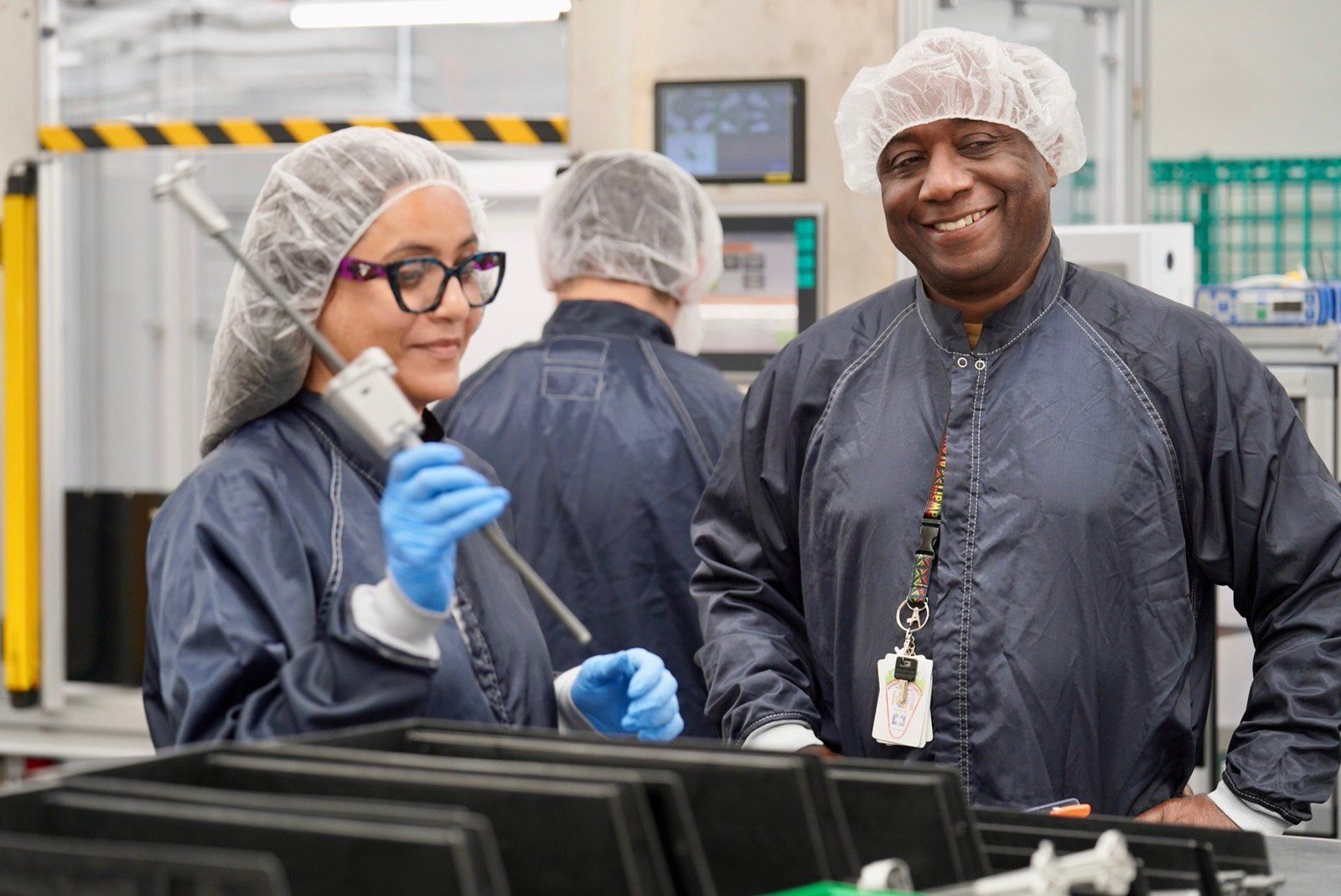
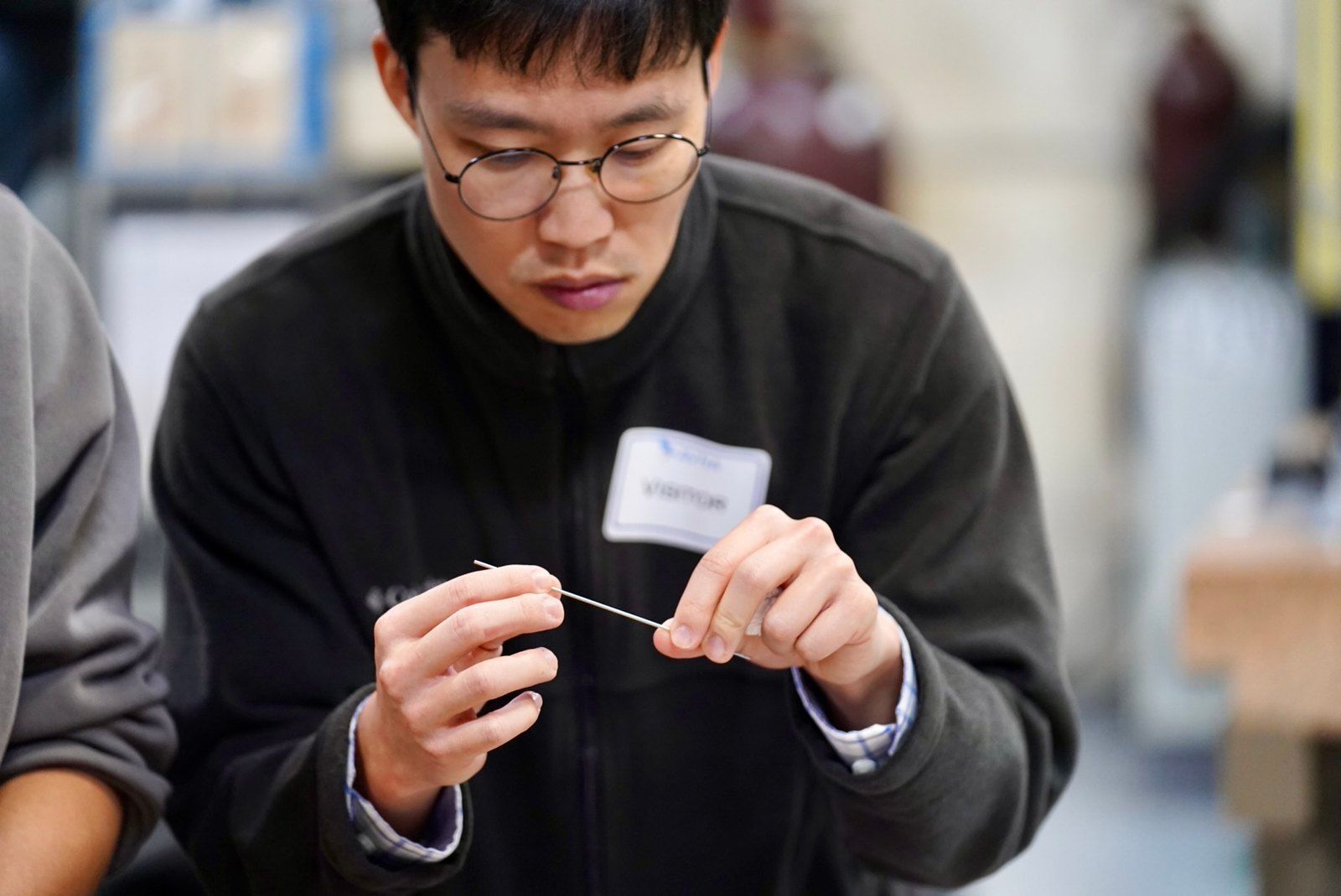
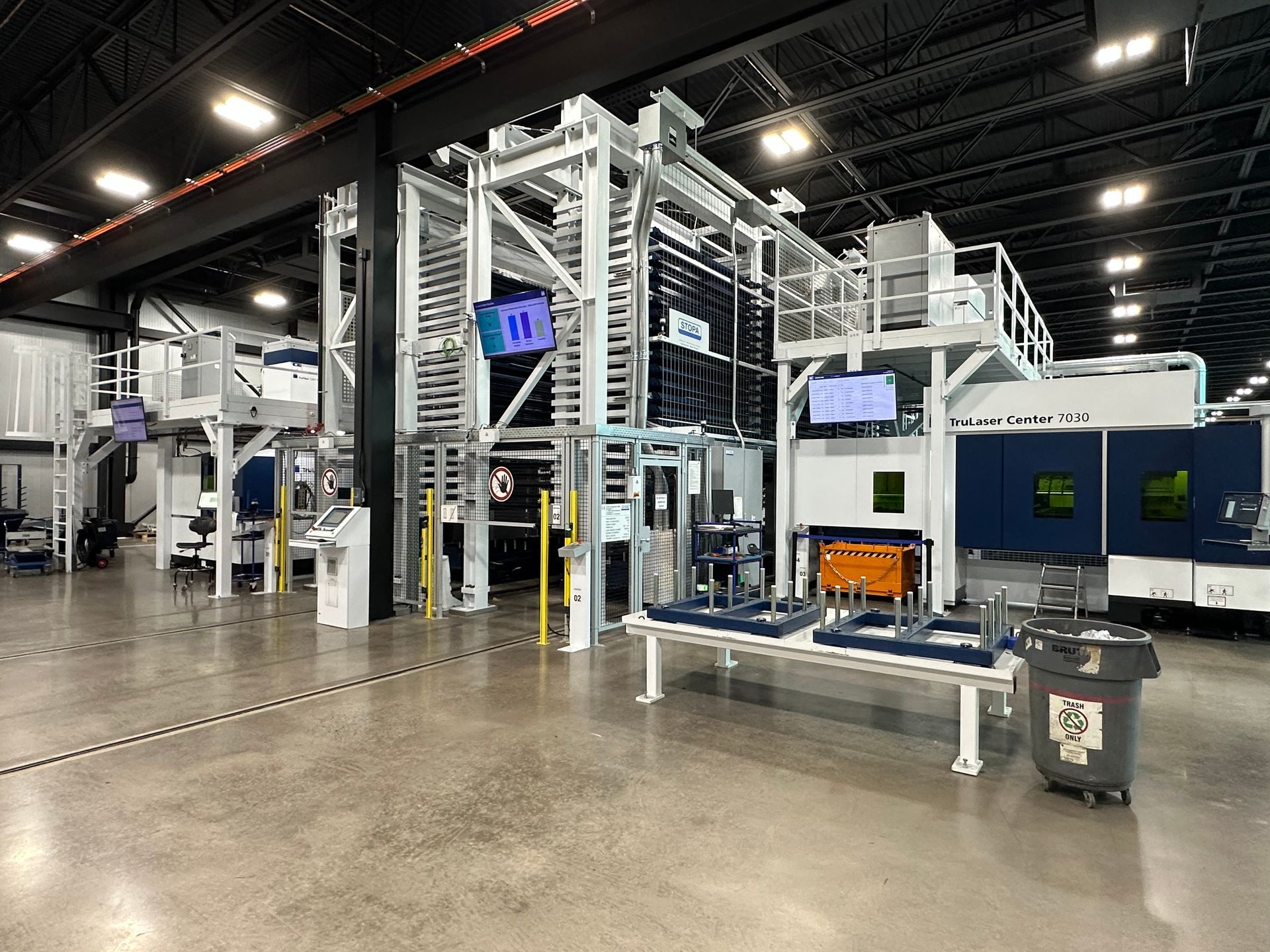

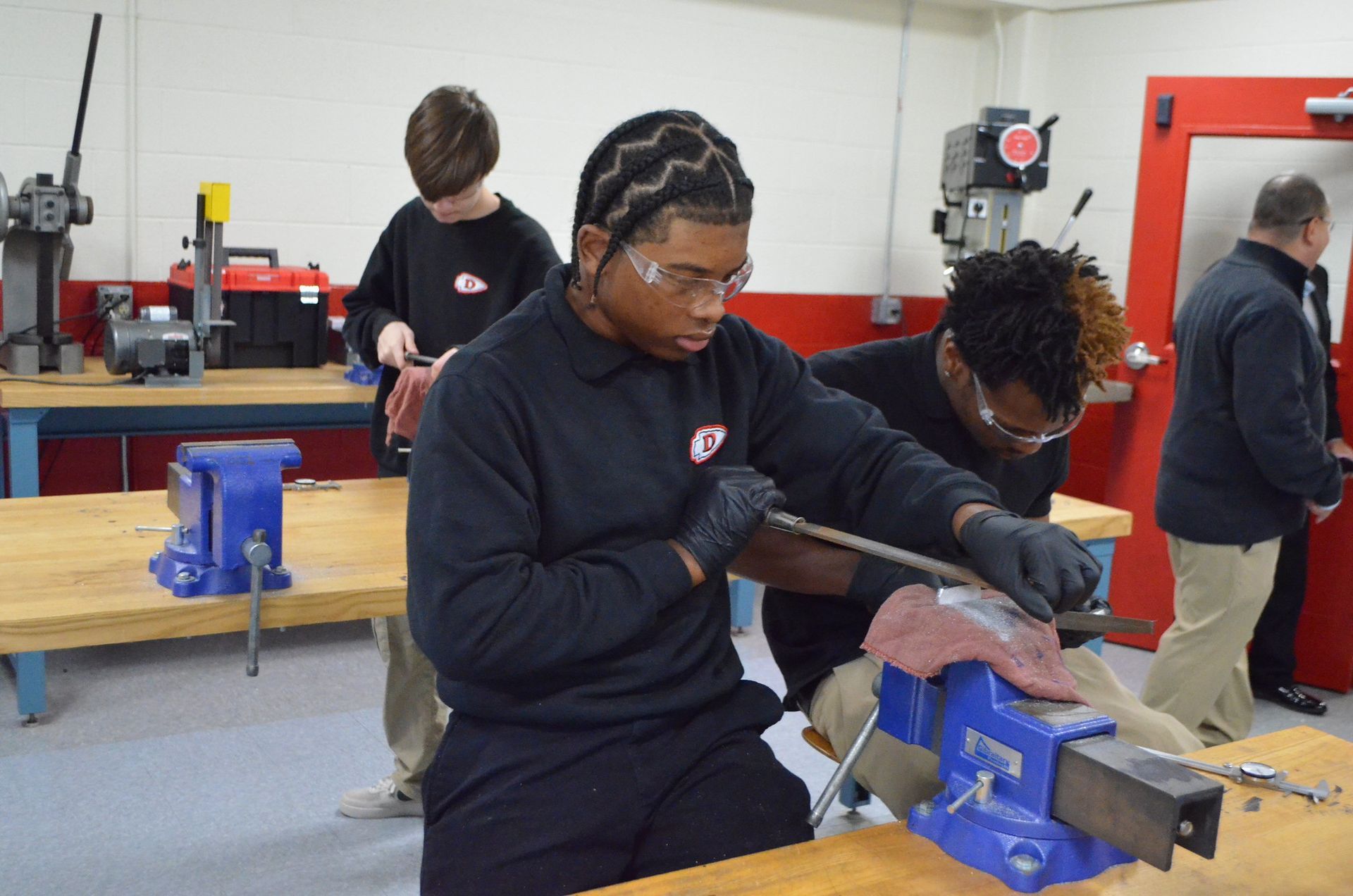


CONNSTEP evaluated Novel Aero’s processes, identified opportunities for improvement, and provided guidance grounded in expertise with the AS9100D standard.
Eljen Corporation is a Windsor, Connecticut-based manufacturer and global leader in innovative onsite wastewater treatment solutions. Founded in 1970 and operating from a 66,000-square-foot manufacturing facility, Eljen is best known for pioneering its Geotextile Sand Filter (GSF) technology. The company develops sustainable products that protect public health and the environment through reliable wastewater treatment solutions for residential and commercial applications. Behind Eljen's innovation is a culture deeply rooted in military service. Led by a team of military veterans, the company emphasizes leadership, integrity, and service—values that extend throughout its 60-person workforce and its customer relationships. Eljen's commitment to recruiting, employing, and supporting veterans has earned national recognition through the U.S. Department of Labor's HIRE Vets Medallion Program. Beyond product innovation, Eljen is committed to educating and supporting the thousands of installers around the world who use its systems. Through technical expertise and a commitment to customer support, the company helps ensure its products are installed correctly and perform as intended.
Founded in 2019, U.T.R. Engineering Works is a Norfolk, Connecticut-based precision engineering and manufacturing company specializing in custom design, precision machining, fabrication, and industrial equipment support. With a hands-on, collaborative approach, the company serves organizations ranging from local family-owned businesses to some of the world's largest corporations, helping manufacturers improve performance, extend equipment life, and maintain operational efficiency. Despite its small size, U.T.R. delivers engineering expertise across industries including marine, defense, aerospace, offshore oil and gas, subsea robotics, and medical devices. Operating from a 1,100-square-foot facility with a team of four employees, the company partners with manufacturers to solve complex engineering challenges, improve production processes, and develop innovative solutions through capabilities that include reverse engineering, equipment modifications, process equipment design, and on-site machinery repair and maintenance. Committed to customer satisfaction, U.T.R. maintains an on-time delivery rate of more than 98% while emphasizing continuous improvement, exceptional quality, and innovative, cost-effective solutions. The company's focus on quality has translated into exceptional customer performance, with no customer complaints, product returns, or customer-initiated corrective actions, supported by consistently positive customer feedback.
Phoenix Manufacturing, Inc., founded in 1989, is a privately held family-operated small business in Enfield, Connecticut, specializing in precision machining for the aerospace industry. What began as a two-person operation in a 2,000-square-foot building has grown into a company with over 100 employees operating out of a 114,000-square-foot, state-of-the-art manufacturing facility. As a contract manufacturer, Phoenix specializes in complex, tight-tolerance components, supported by more than 40 CNC machines and a multi-axis mill/turn line. The company provides end-to-end manufacturing solutions—from engineering consultation through full-scale production—serving commercial aviation, spaceflight, and defense markets for both domestic and global customers, including leading aerospace and defense OEMs. A defining element of Phoenix’s growth has been its strategic investment in advanced manufacturing technology, particularly palletized machining centers. Since 2017, the company has added 11 machining centers integrated with palletized systems, enabling unattended, automated production and significantly expanding machining capacity. This automation journey has positioned Phoenix to better meet increasing customer demand while maximizing machine utilization. Phoenix’s commitment to quality is central to its operations and customer relationships. Managing more than 600 active part numbers, the company strives for 0 parts per million (PPM) defects and 99% on-time delivery (OTD) for major OEM customers. Its quality management system is certified to ISO 9001 and AS9100 Rev D standards, and Phoenix also holds NADCAP certifications in Nonconventional Machining and Nondestructive Testing, reflecting a rigorous, inspection-driven approach to delivering consistent, high-quality results. Guided by a mission to deliver high-quality, cost-effective products through advanced technology and an uncompromising commitment to quality, Phoenix continues to invest in innovation, automation, and the next generation of manufacturing leadership.
Founded in 1959, Projects Inc. is a Glastonbury, Connecticut-based manufacturer specializing in precision-machined components for aerospace, industrial, and commercial applications. With 102 employees, the company operates out of 66,000 square feet of manufacturing and office space and supports customers across a range of industries, including aerospace and power generation. Projects Inc. has deep roots in the aerospace industry, where it has provided high-quality machining services for decades. Since 1996, the company has supplied FAA Parts Manufacturer Approval (PMA) components to the aviation sector. Projects Inc. received FAA Repair Station Certification in 1984. As a maintenance, repair, and overhaul (MRO) provider, Projects supports customers with repair solutions that help keep critical aerospace equipment operating safely and efficiently. Its customer base includes major aerospace companies such as Sikorsky, Pratt & Whitney, and GE Aerospace, along with airlines including United, Delta, American, and Lufthansa. Projects Inc. is Federal Aviation Administration (FAA), European Union Aviation Safety Agency (EASA), and UK Civil Aviation Authority (CAA) – approved. The company is also AS9100D and ISO 9001: 2015-certified, reflecting its commitment to quality, consistency, and industry standards. With capabilities that include prototyping, CNC machining, EDM, laser cutting, and grinding, Projects Inc. offers a broad range of precision manufacturing services supported by advanced in-house equipment and technical expertise. Today, Projects Inc. is recognized as an experienced supplier of high-quality components, with a long-standing focus on quality, reliability, and customer service.
Learn how Penn Globe partnered with CONNSTEP to invest in employee training, strengthen skills, and support business growth and competitiveness.
See how Specialty Cable Manufacturers partnered with CONNSTEP to strengthen quality systems and successfully achieve AS9100 recertification.
Learn how Forum Plastics partnered with CONNSTEP to invest in supervisory training, strengthen leadership skills, and support long-term growth.
See how a Connecticut printing company partnered with CONNSTEP to improve efficiency, reduce waste, and advance environmental sustainability.

Learn how a medical products manufacturer partnered with CONNSTEP to strengthen quality systems and achieve successful recertification.